
Business case — founder and operational leader
WAKU WAKU: from vision to execution
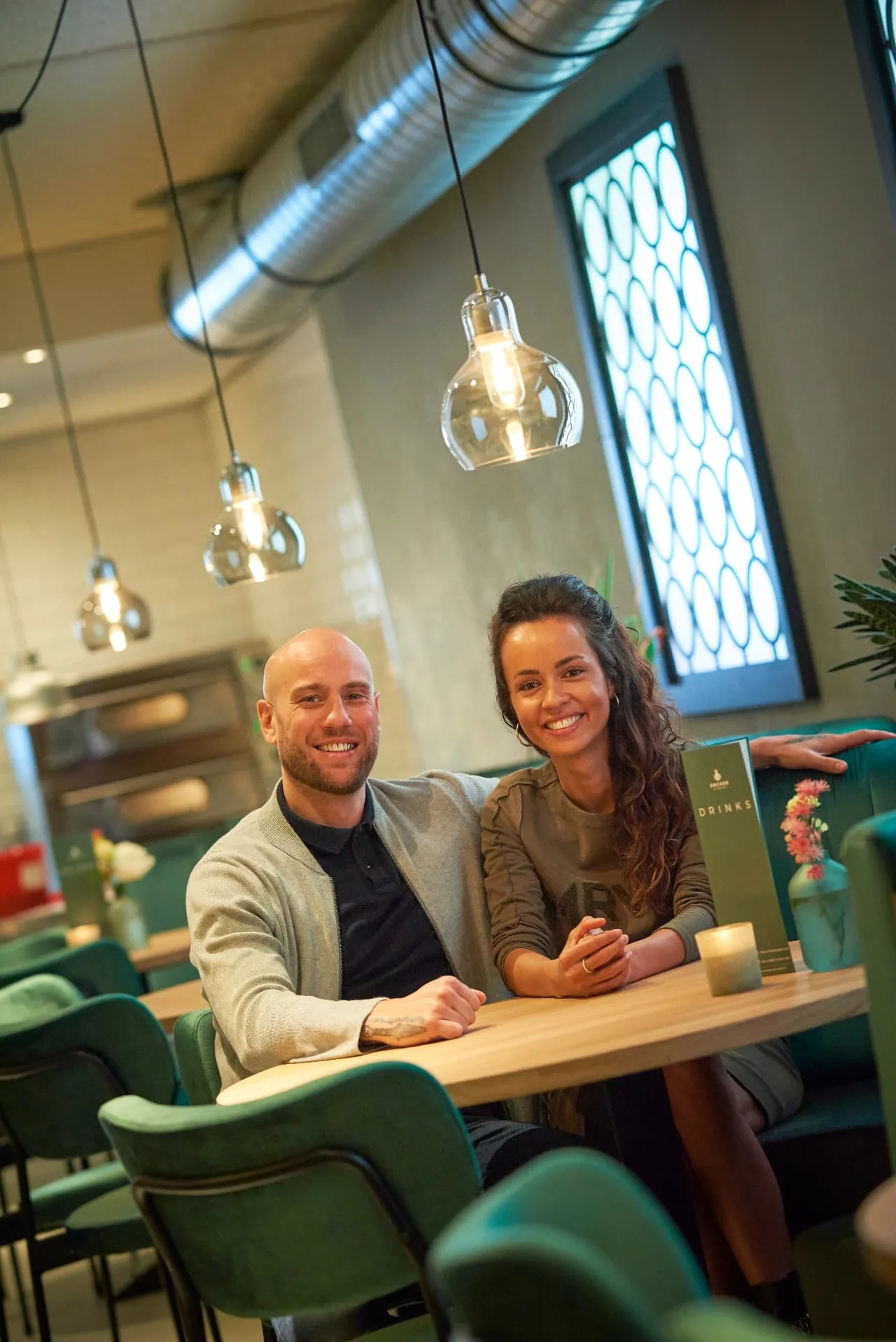
WAKU WAKU started from a conviction: plant-based food could be natural, hospitable and, above all, exceptionally good. After six months of renovation, Naphassa Parinussa and I opened the restaurant in Utrecht in May 2018. What began as a completely stripped former Chinese restaurant grew into a restaurant of exceptional scale and national renown. This case shows how an idea became a concept, how we built the organisation, and how we kept building when the market changed overnight.
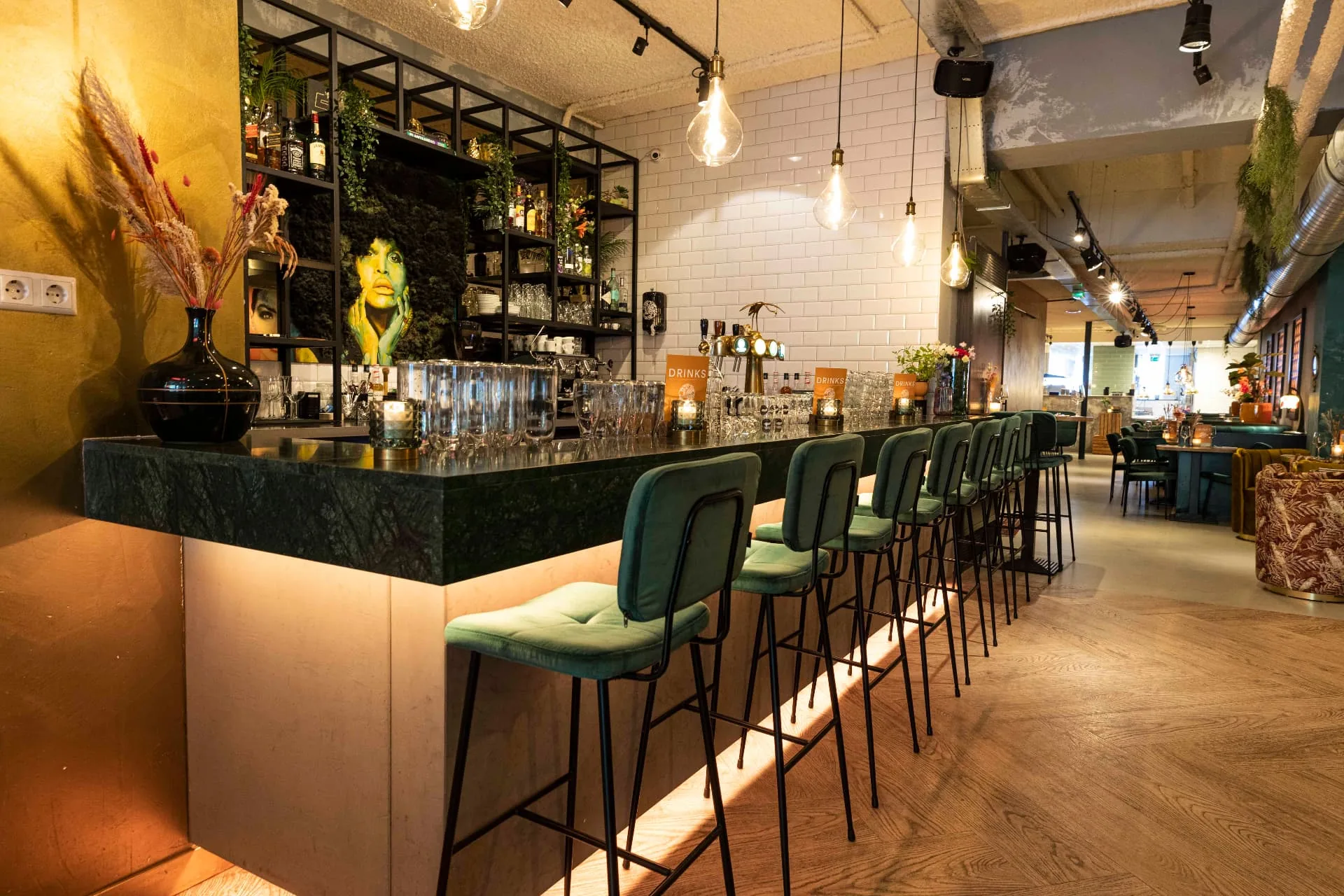
At the time, Europe’s largest plant-based restaurant
- Opened in Utrecht
- May 2018Opened in Utrecht
- Annual revenue before covid
- €1.4MAnnual revenue before covid
- Employees, one location
- 40Employees, one location
- Seats
- 110Seats
- Google rating from 1,370+ reviews
- 4.6 / 5Google rating from 1,370+ reviews
- Best vegan dining in the Netherlands, Vegan Awards 2020
- #1Best vegan dining in the Netherlands, Vegan Awards 2020
Built from the ground up
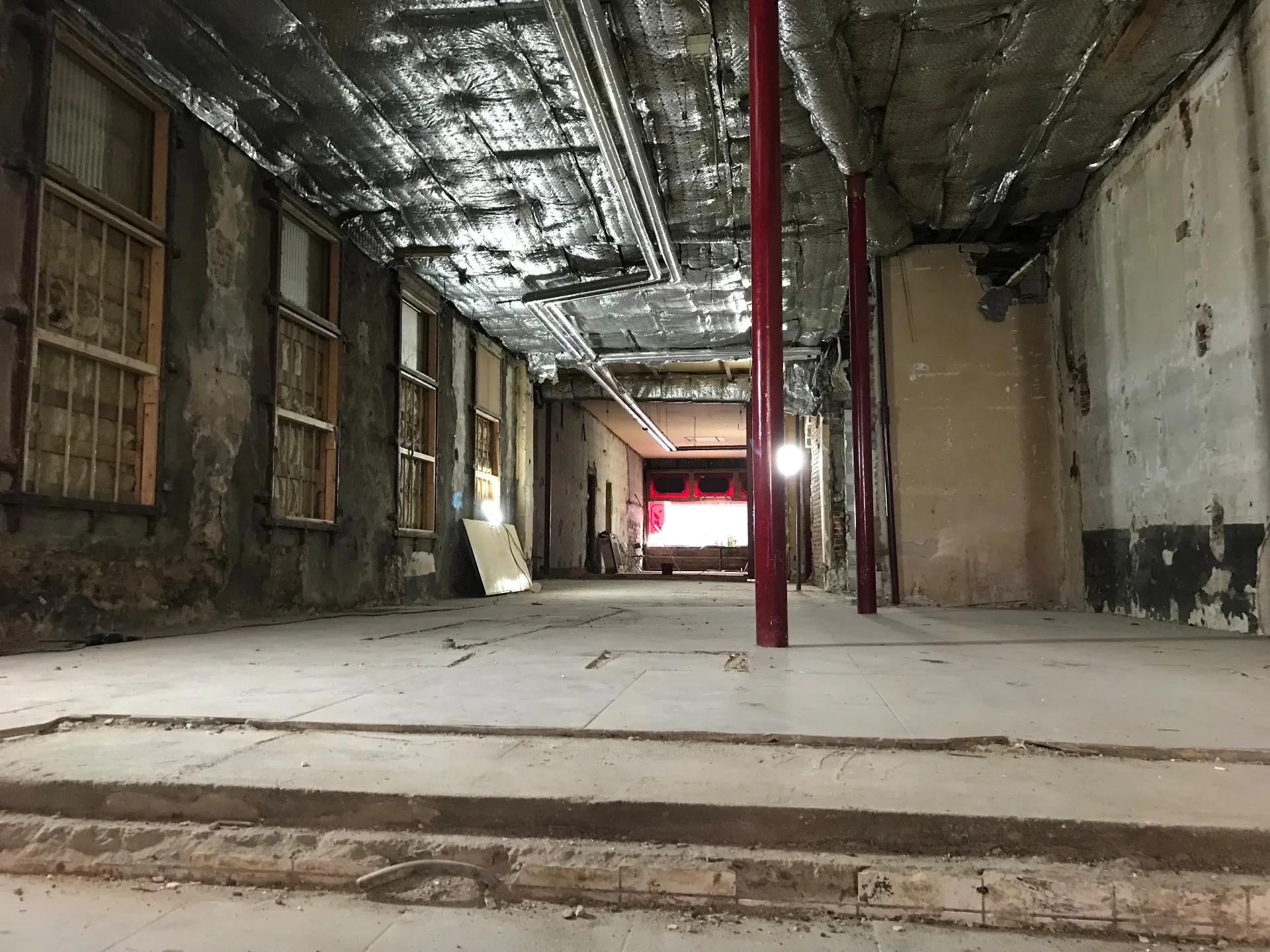
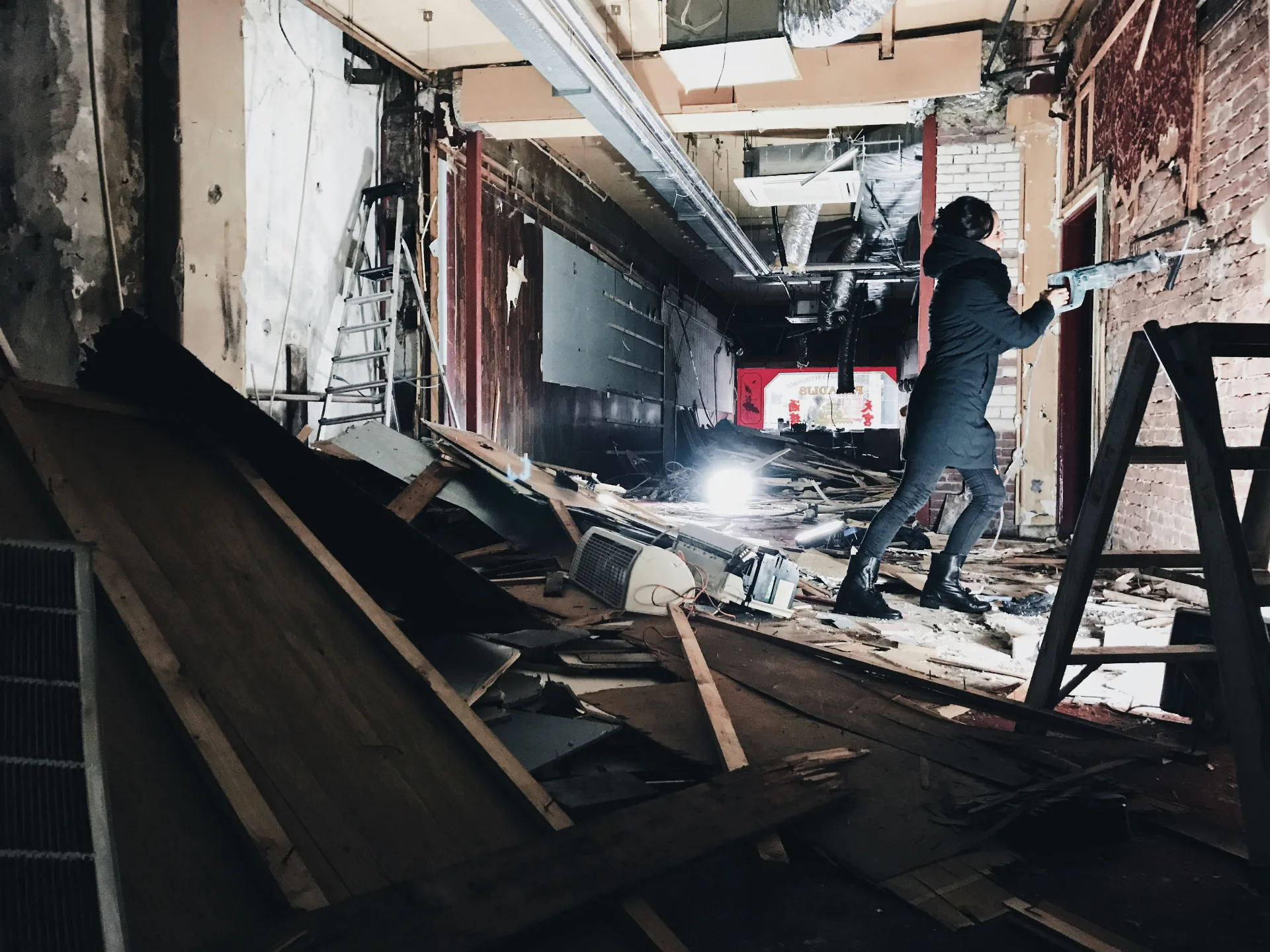
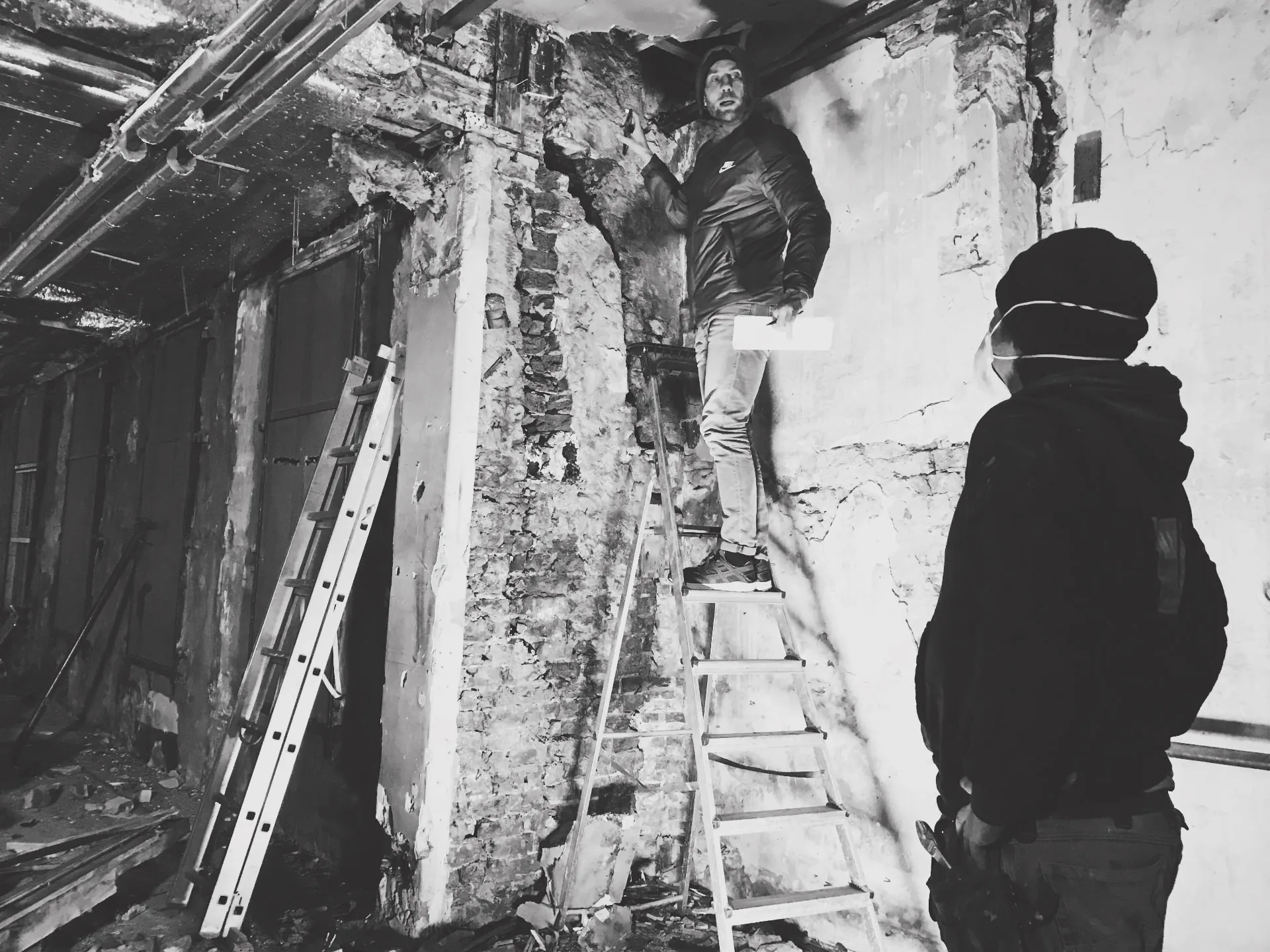
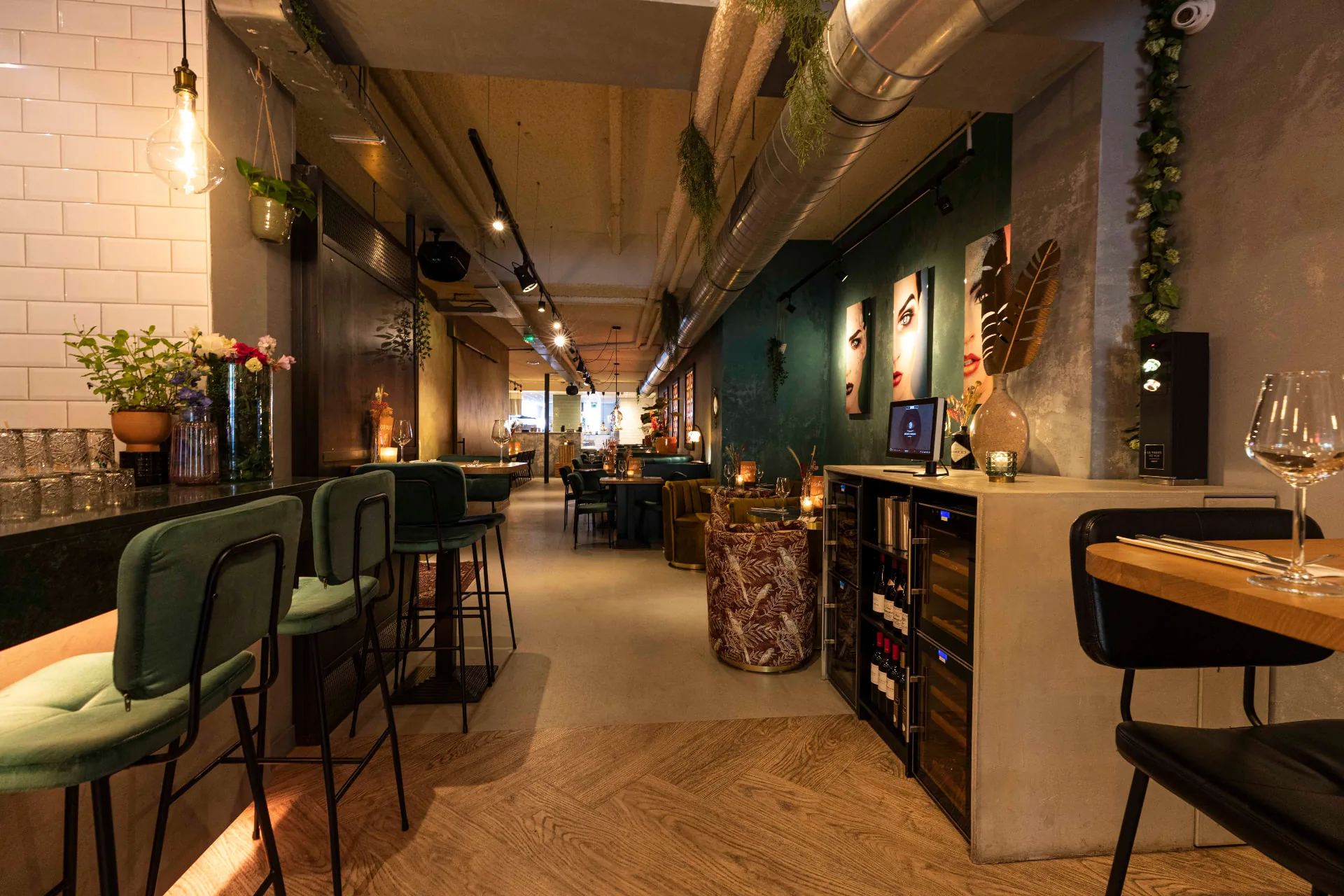
Six months of renovation preceded the opening. We took over a former Chinese restaurant and stripped it completely. Structural reinforcement, a new concrete floor, electrics, sewerage, the façade, the kitchen and the interior: almost everything had to be rebuilt. The work was carried out by professional partners, including Brandwacht en Meijer, Schoondergang Van Zwanenburg Keukens, Satelliet for the interior and several contractors. We led and directed the entire project.
While the renovation progressed, we were simultaneously building the organisation that had to be in place at opening: from staffing and operational preparation to marketing and brand. Step by step, the building, kitchen, service, routing and guest experience came together in the restaurant we had in mind.
From an empty building to a fully operational restaurant: that is where vision became execution.
From concept to experience
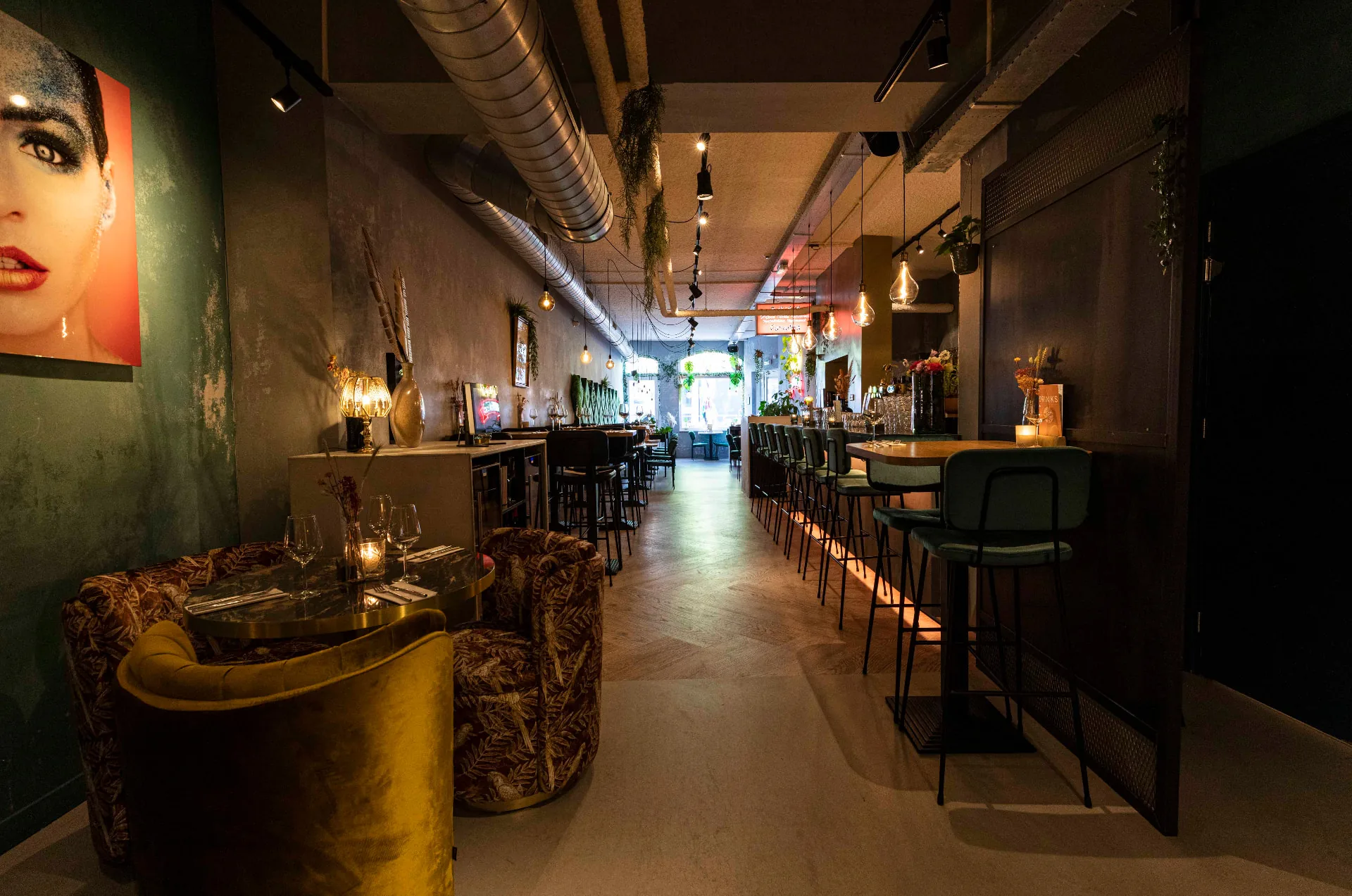
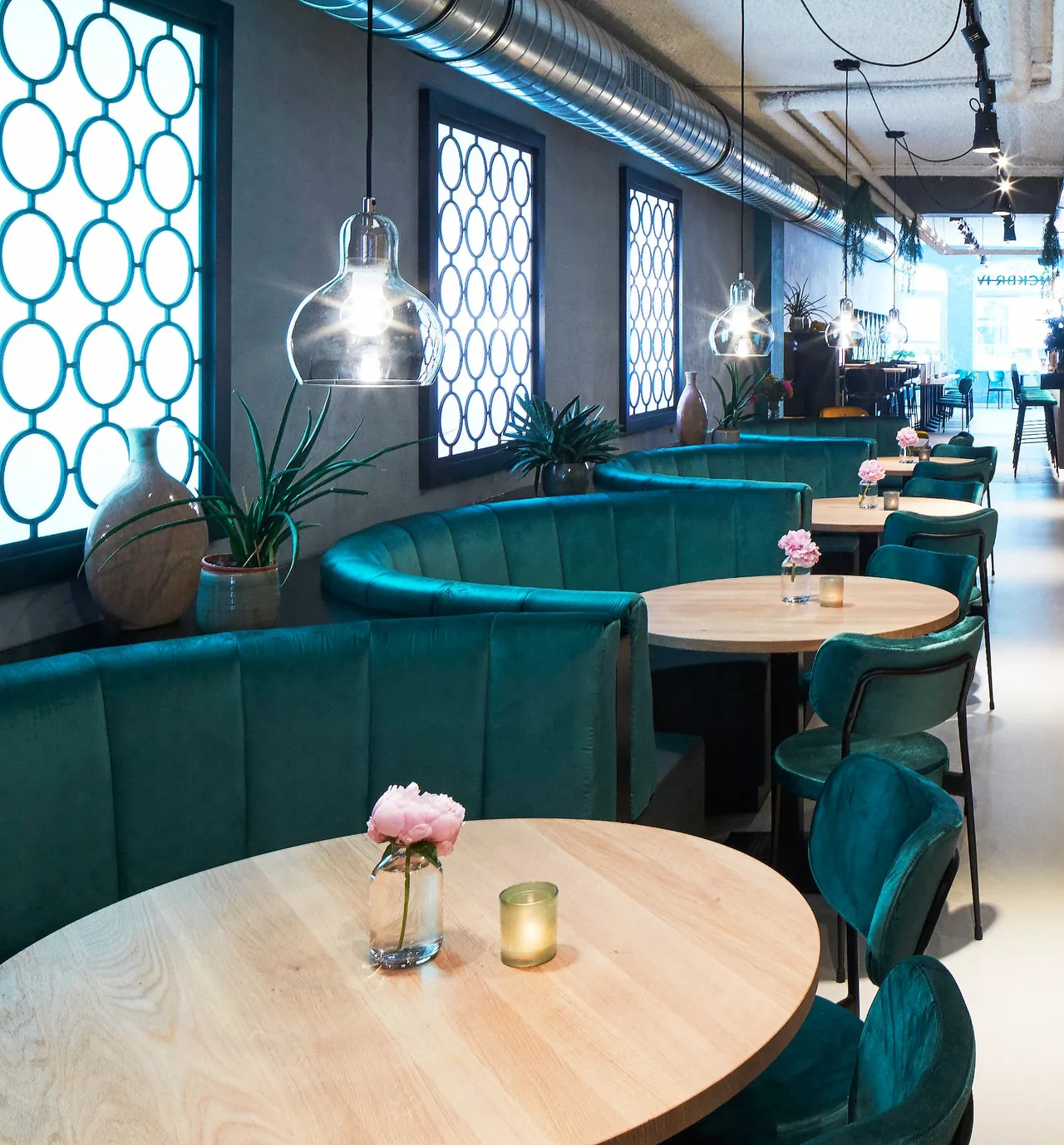
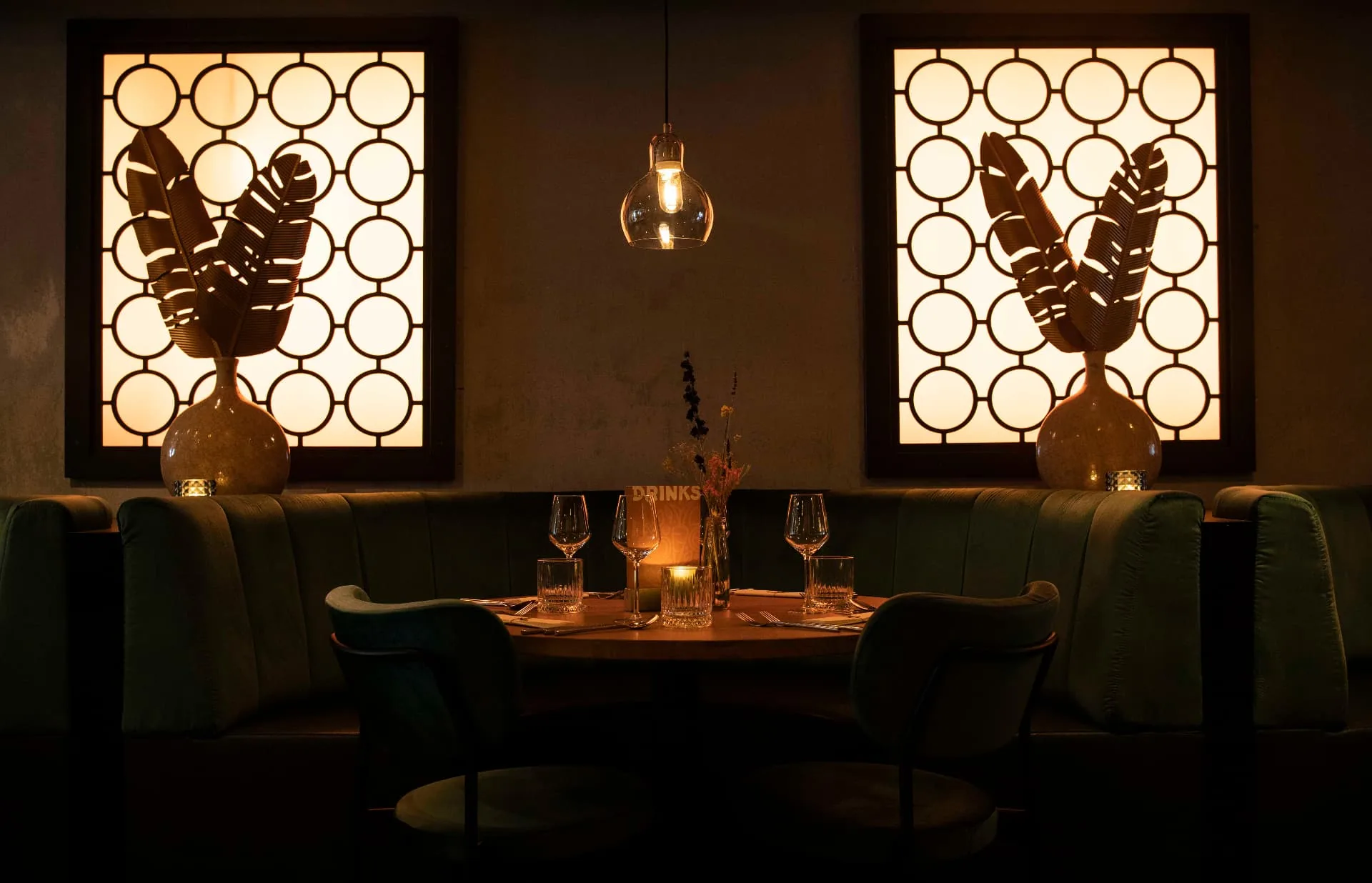
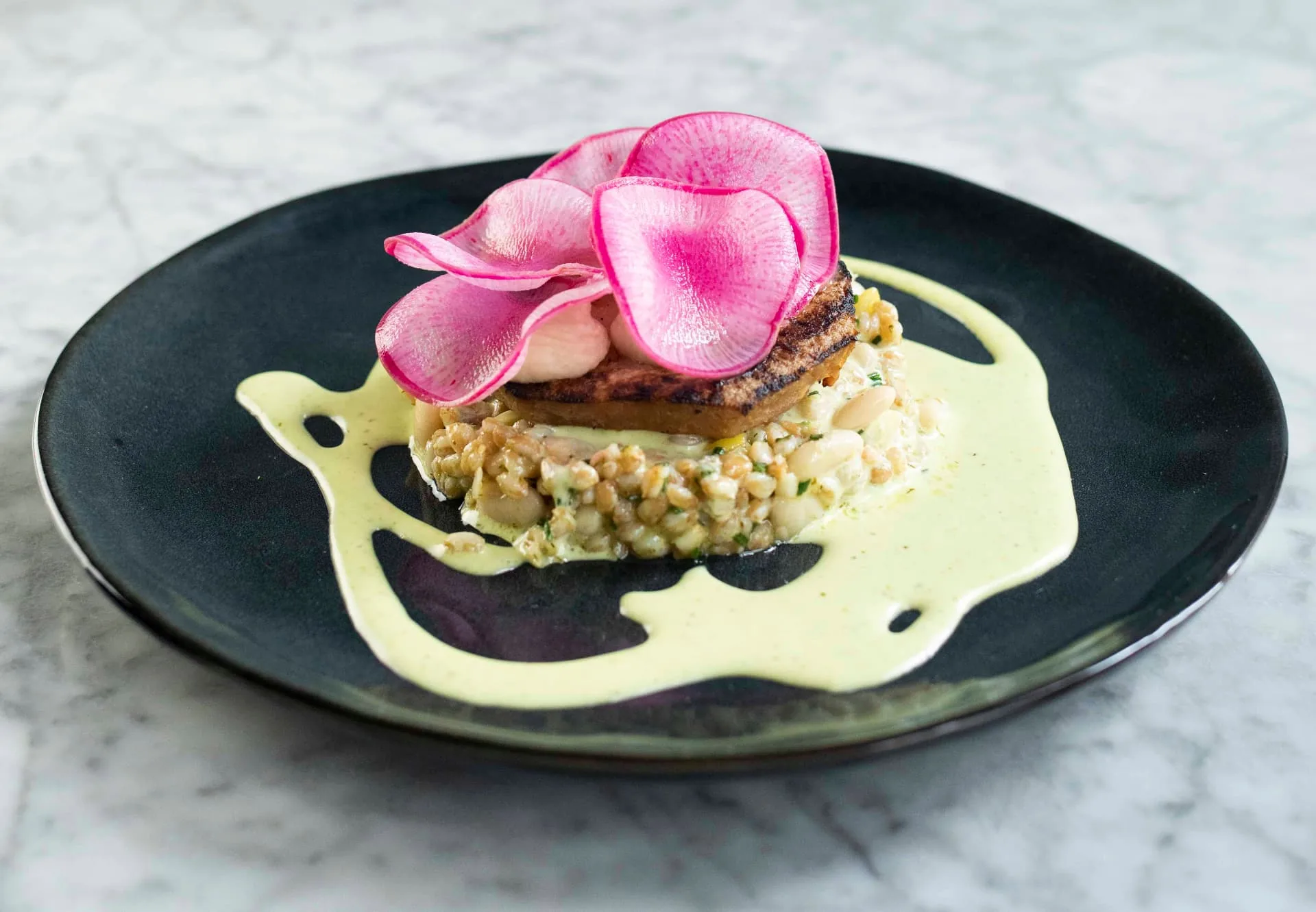
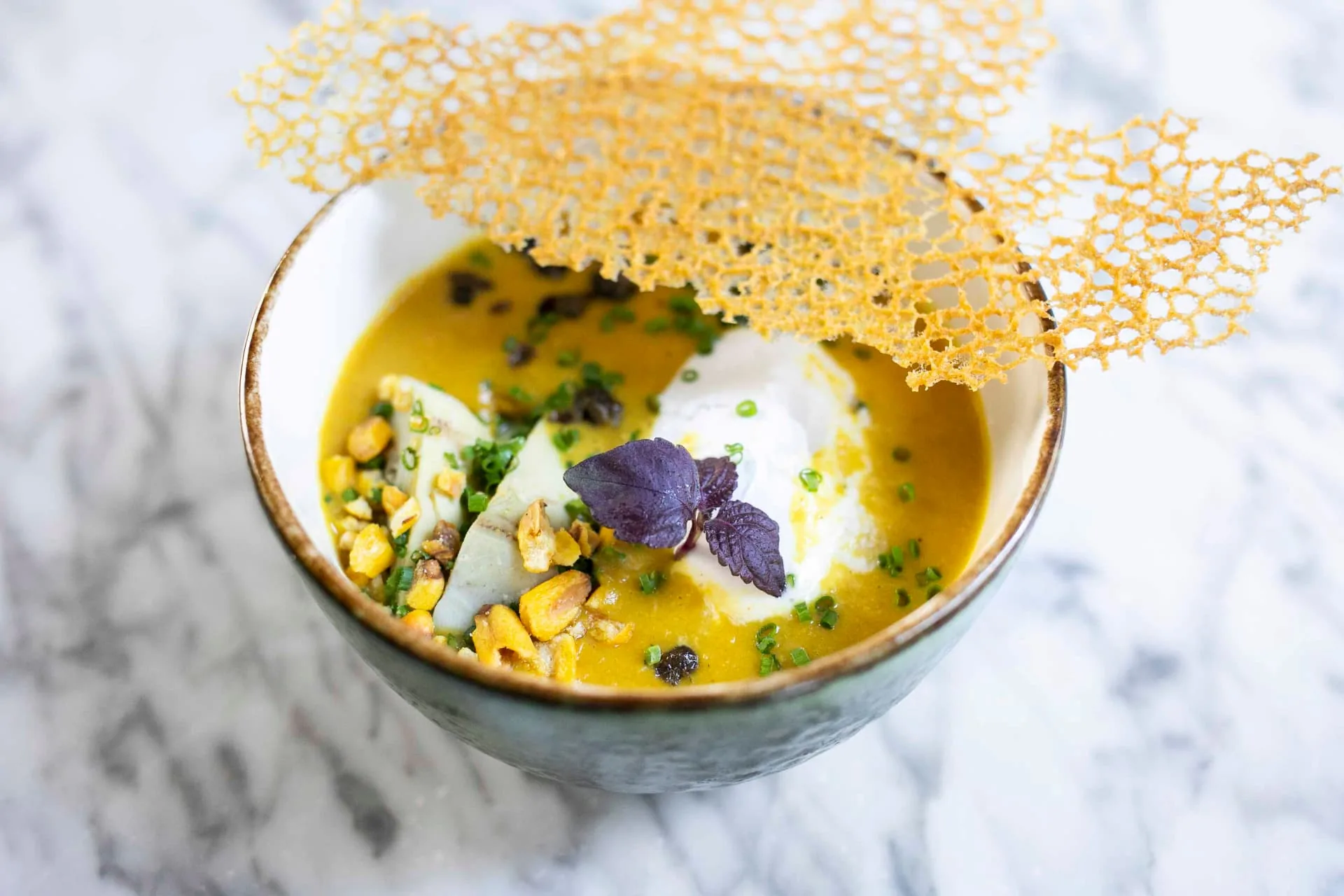
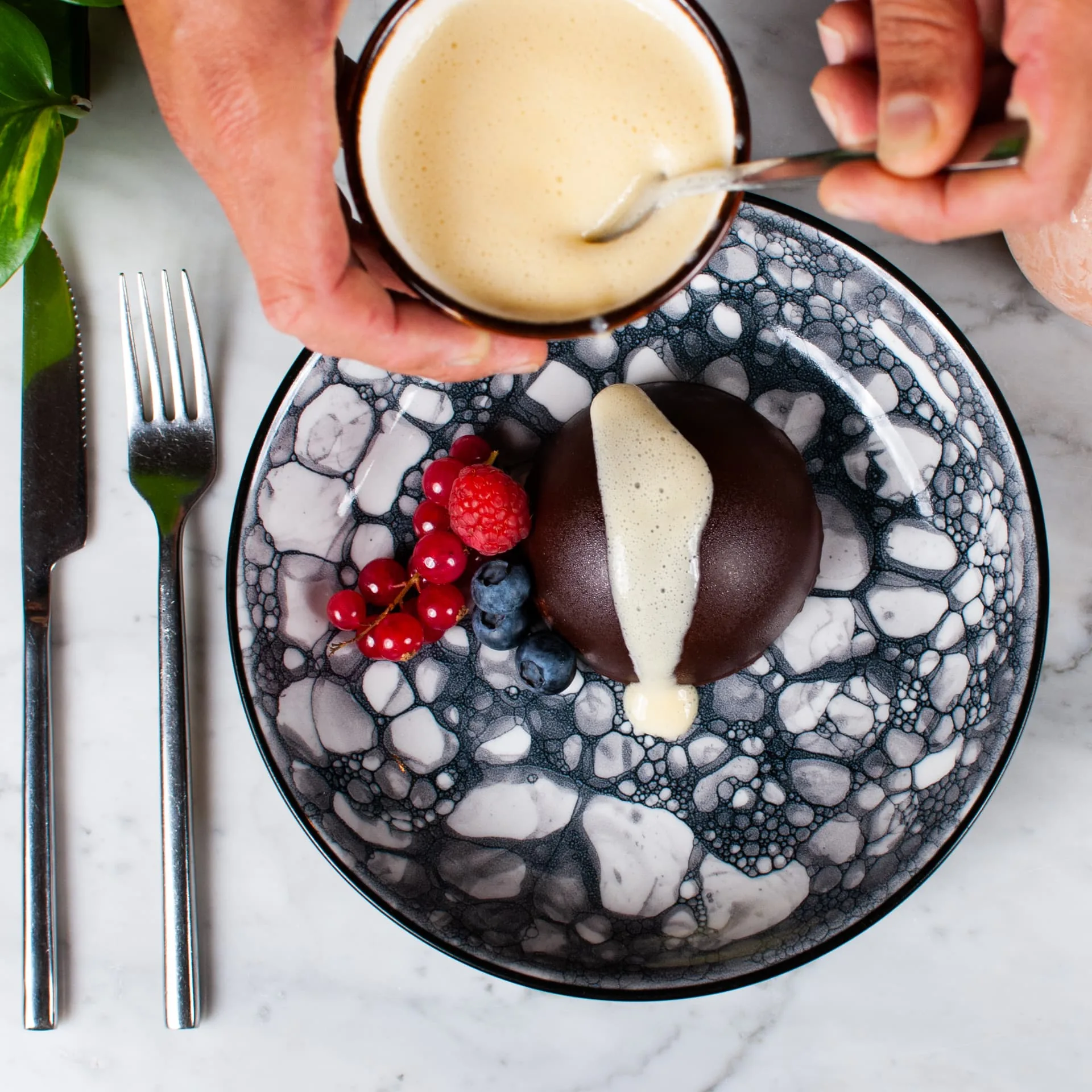
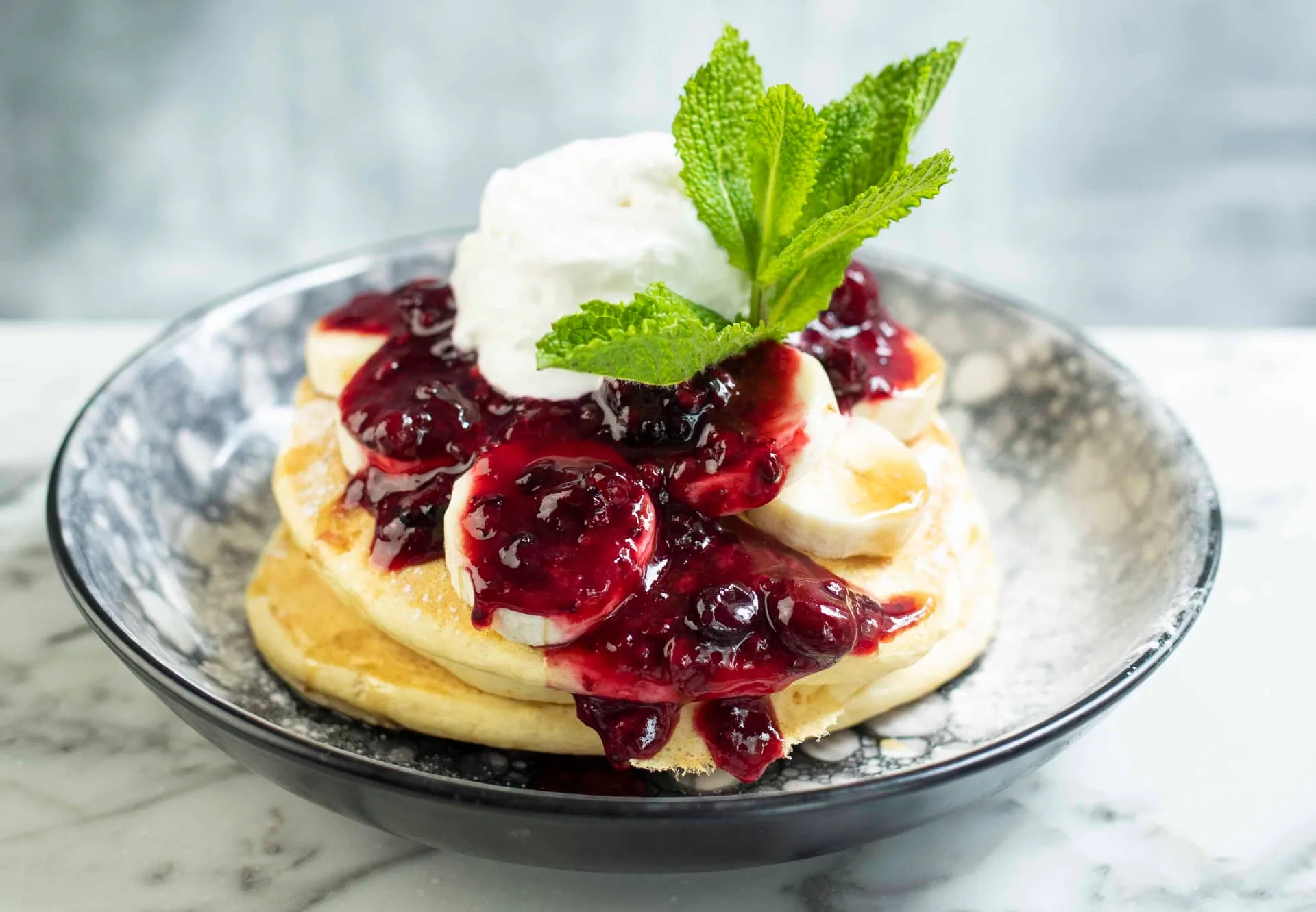
WAKU WAKU was never meant to be a place where plant-based food felt like a compromise. Food, interior, brand and hospitality together had to form one convincing restaurant experience, in which plant-based was not the compromise but the starting point.
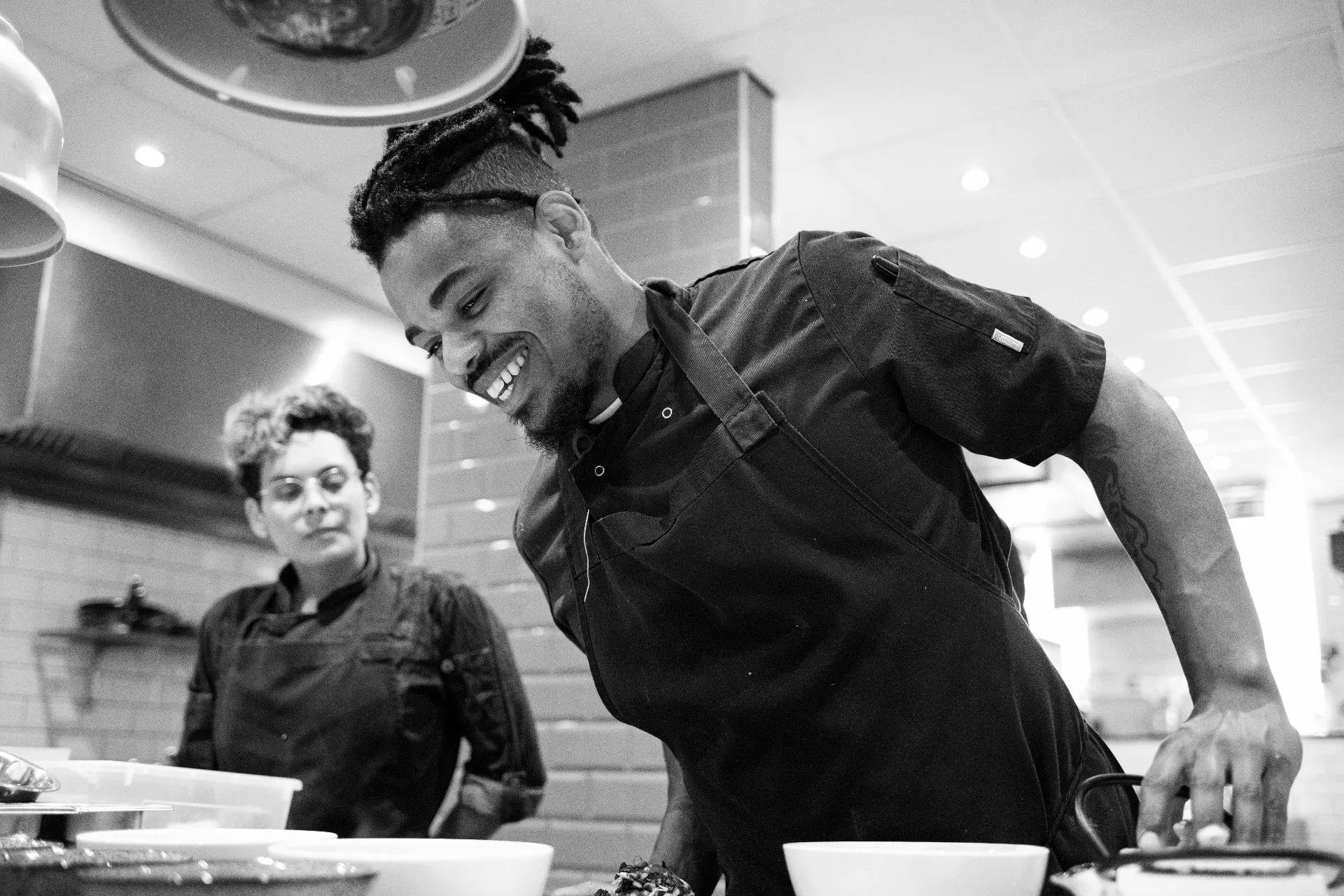
To develop the first menu we brought chef Reuben Waller from London to Utrecht. Together we built the culinary foundation WAKU WAKU launched with in May 2018.
Interior, dishes, music, service and brand formed one recognisable experience.
From operations to organisation
Naphassa and I owned WAKU WAKU together. In the first year we worked intensively in the business ourselves. That gave us first-hand knowledge of both the concept and the daily reality of the operation.
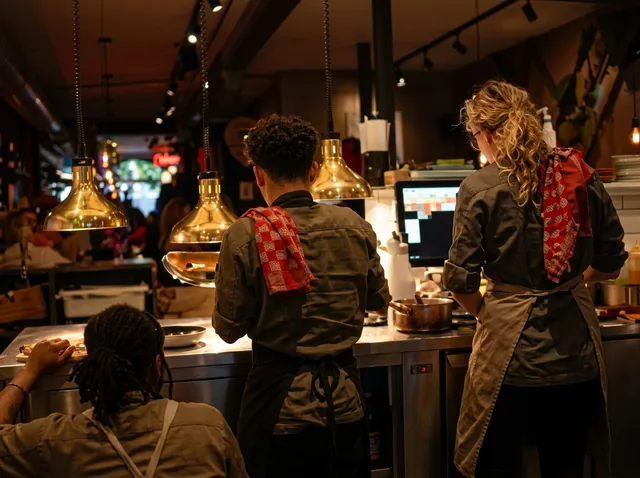
As WAKU WAKU grew, our role shifted from working in the business day to day to building and leading the organisation. We put structure in place, expanded the team and management, and steered on operations, people, brand, commerce and direction.
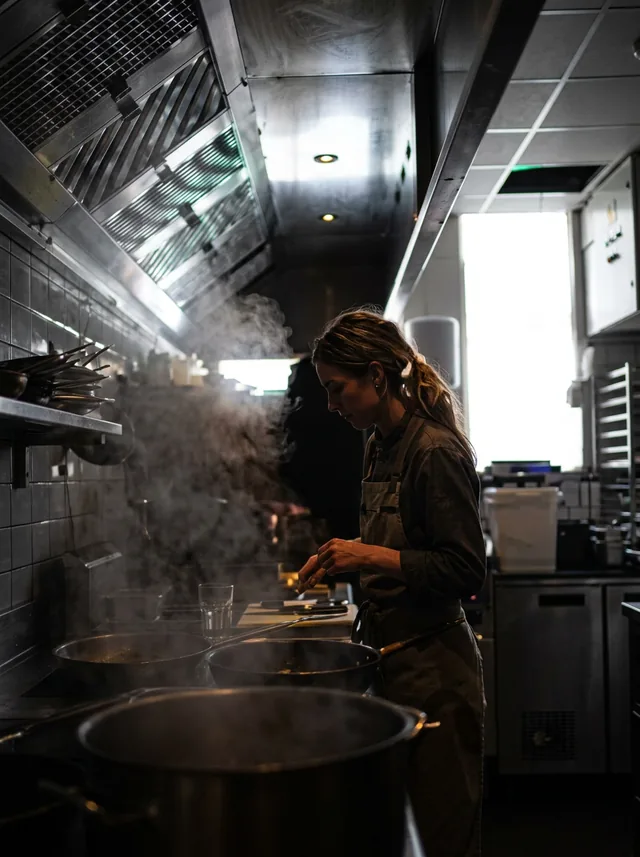
WAKU WAKU grew to 40 employees at one location and €1.4 million in annual revenue before covid.
A concept that was seen and appreciated
Recognition from guests and external parties showed that the concept resonated beyond our own conviction.
- Average Google rating
- 4.6 / 5Average Google rating
- Google reviews
- 1,370+Google reviews
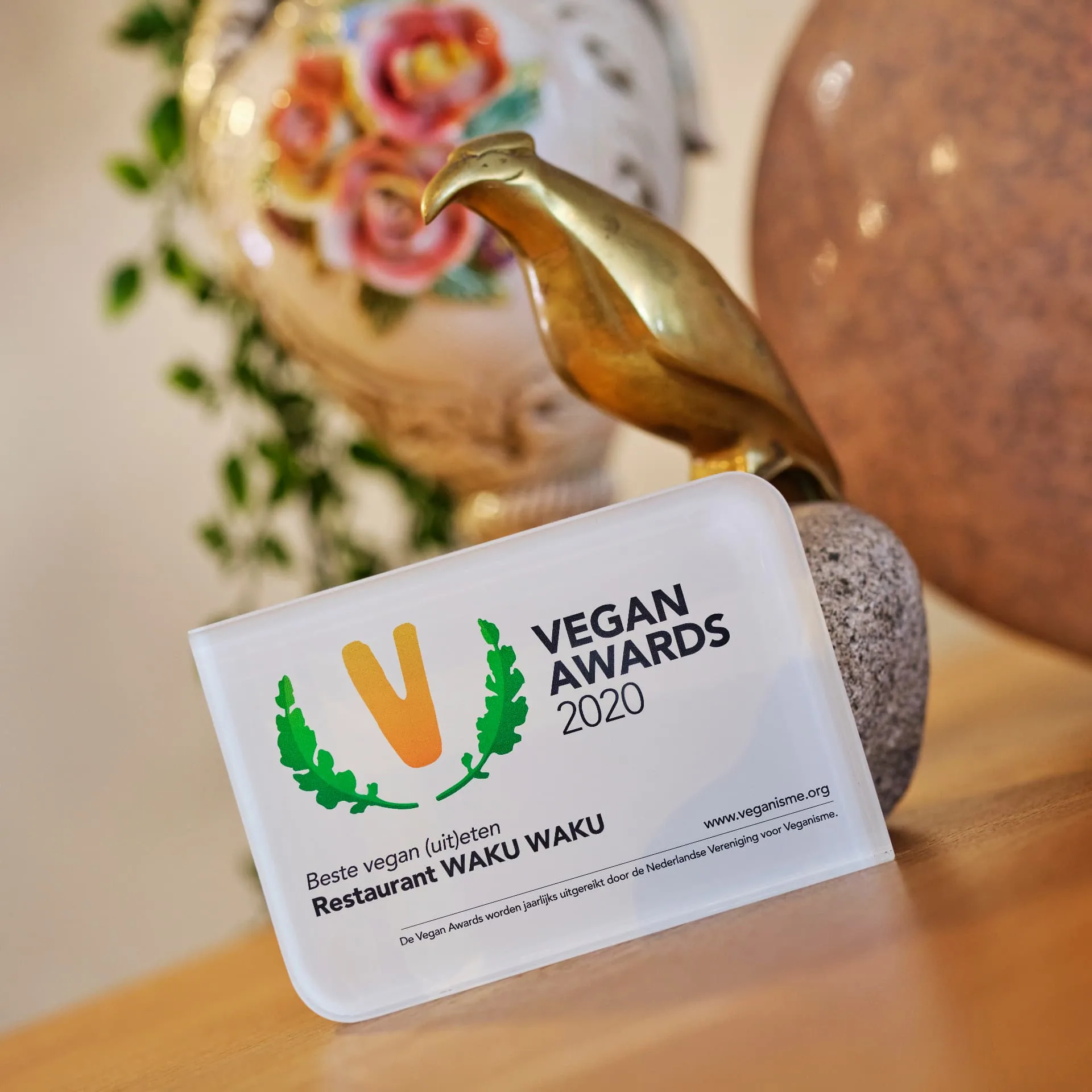
Vegan Awards 2020
#1 Best vegan dining in the Netherlands
In 2020 the public voted WAKU WAKU the best vegan dining experience in the Netherlands at the Vegan Awards of the Dutch Vegan Society.
See the 2020 winners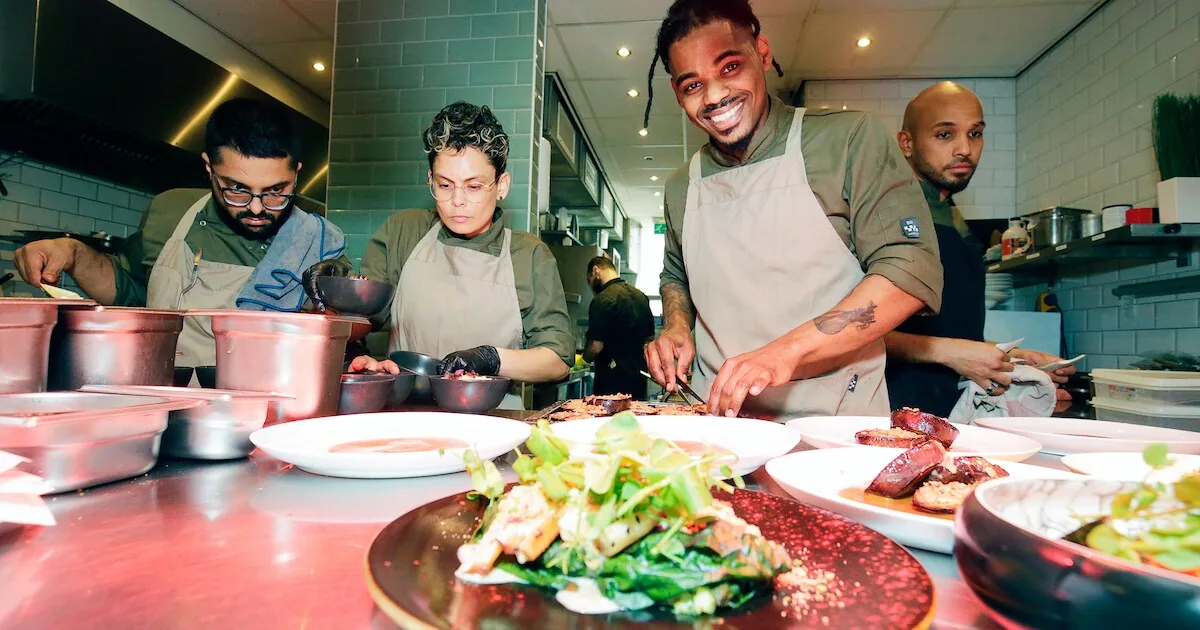
De Gouden Pollepel
8.0 / 10
“De tovenarij van de chef maakt Waku Waku dé ultieme vegan smaakmaker van Nederland”
AD / Utrechts Nieuwsblad
Read the review
When the market changed overnight
In early 2020 WAKU WAKU was standing ever stronger, operationally and financially. With the arrival of covid, the existing restaurant model came to an abrupt and largely complete standstill. For a young hospitality business with high fixed costs and relatively few financial reserves, that meant a fundamental shift.
We could not simply wait for the existing model to return. So we started building again.
A new concept when the existing model stopped
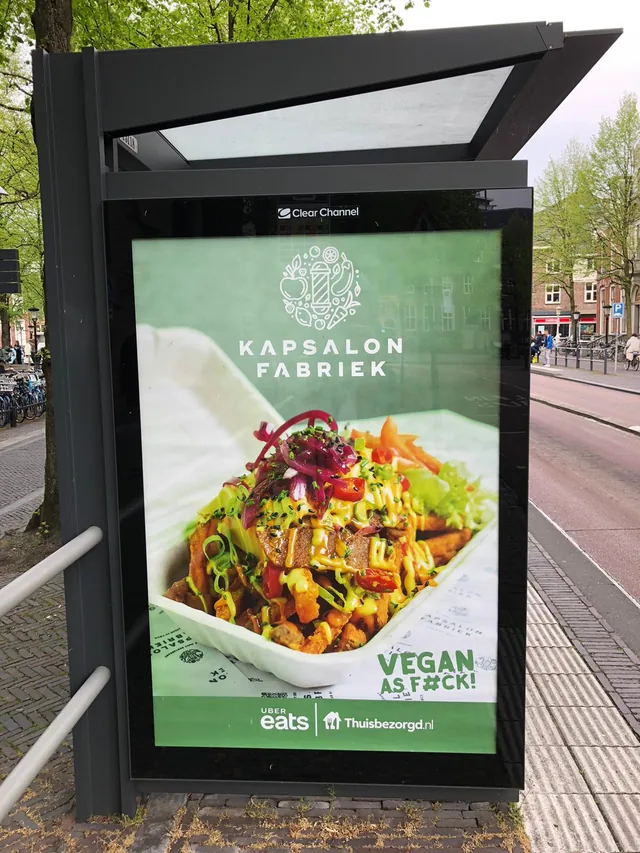
Kapsalonfabriek
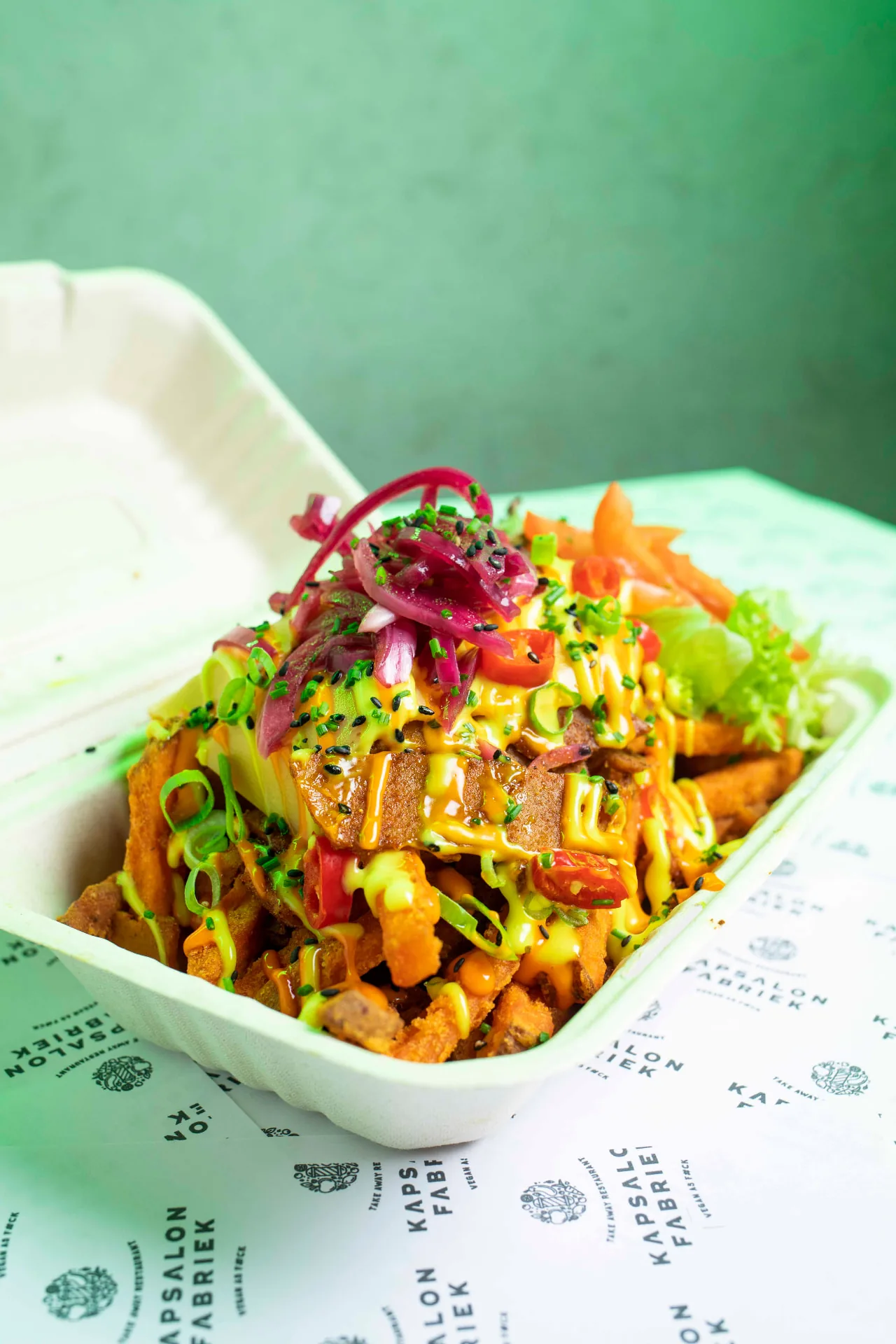
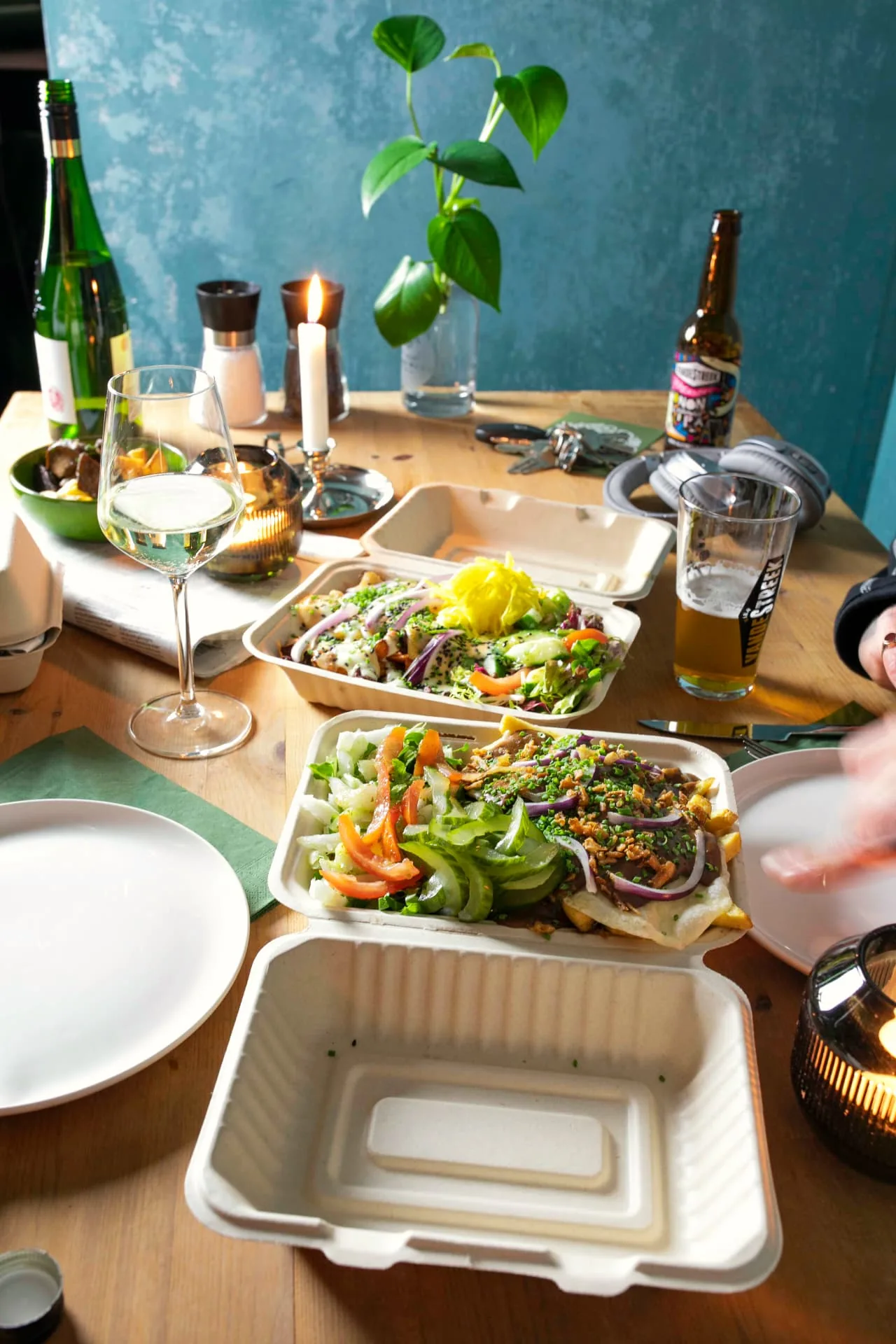
During the covid period we developed Kapsalonfabriek: an independent concept where customers composed their own kapsalon. They chose their own fries, filling, salad and toppings.
We developed its own name, visual identity, logo, offering and commercial proposition, and brought the concept to market from the existing kitchen.
It allowed us to put the existing kitchen and organisation to commercial use in a different way while the restaurant model was under pressure.
From restaurant to retail
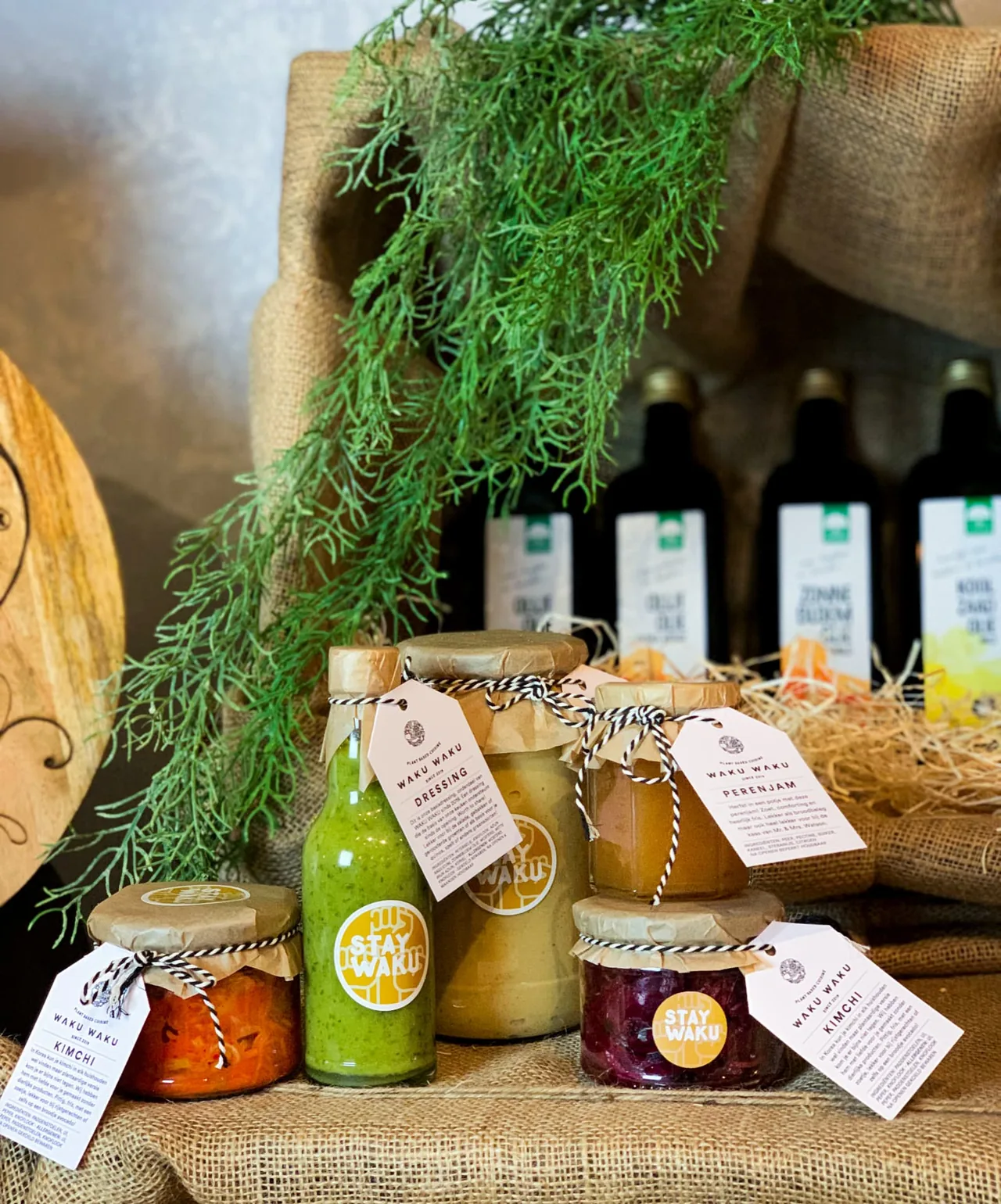
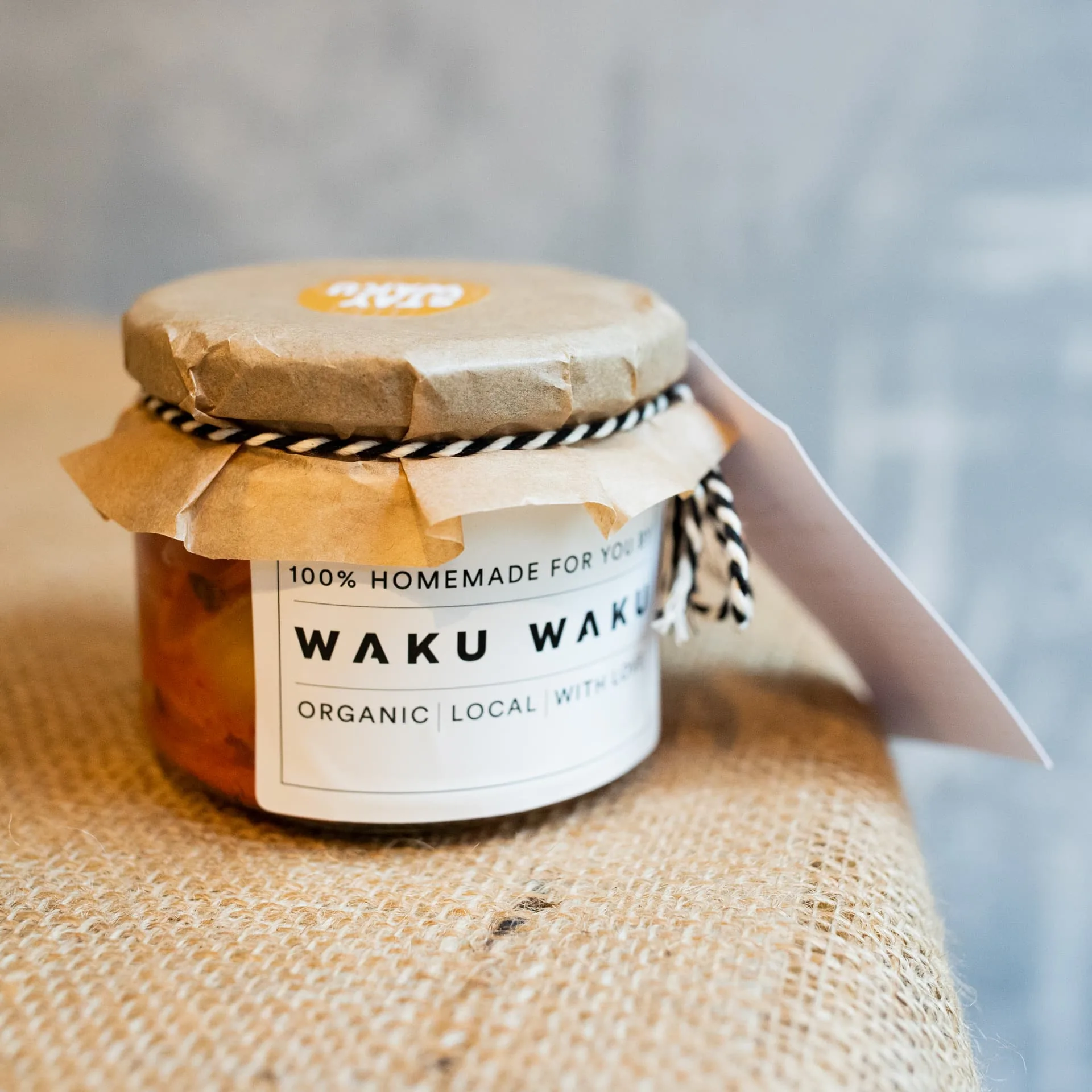
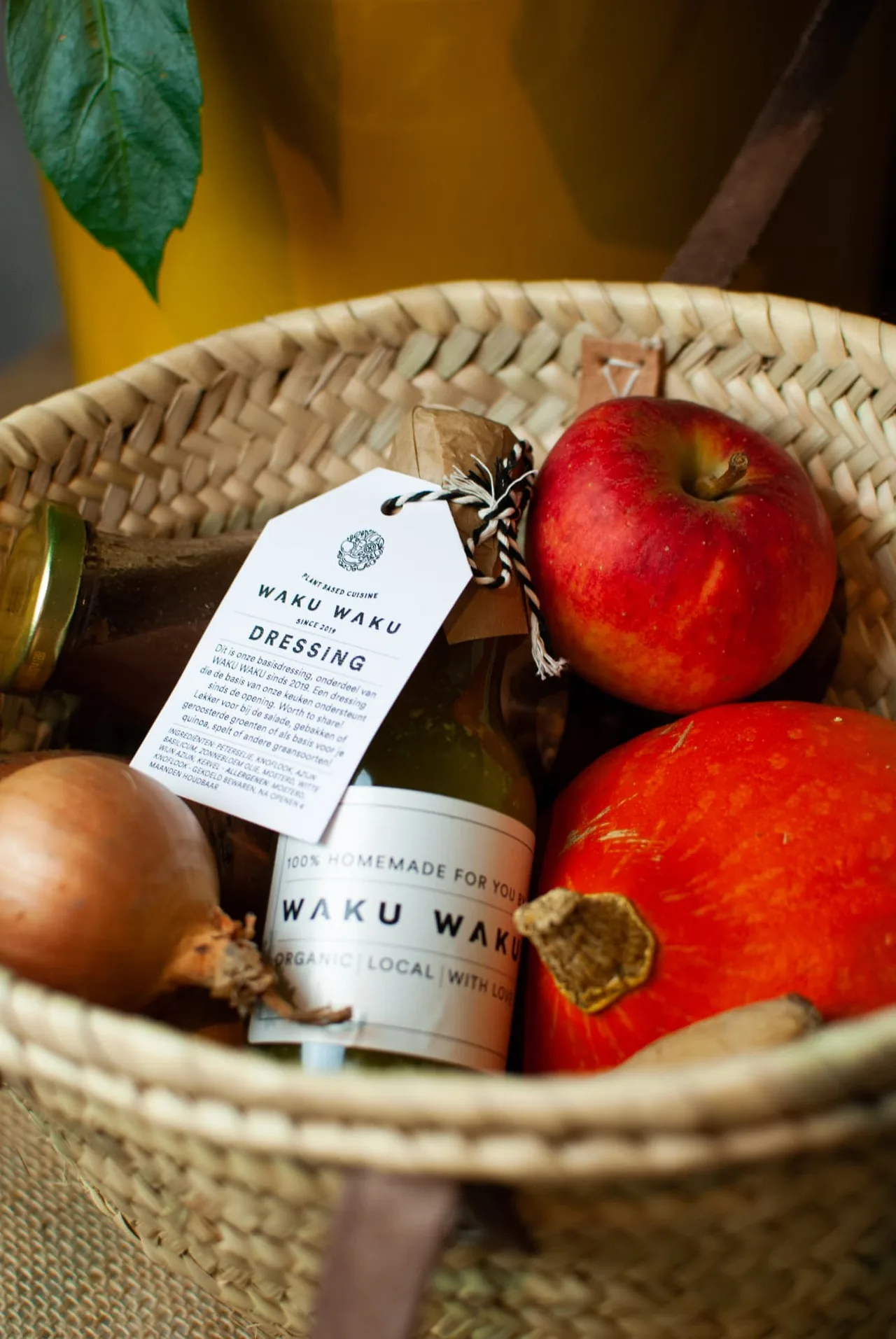
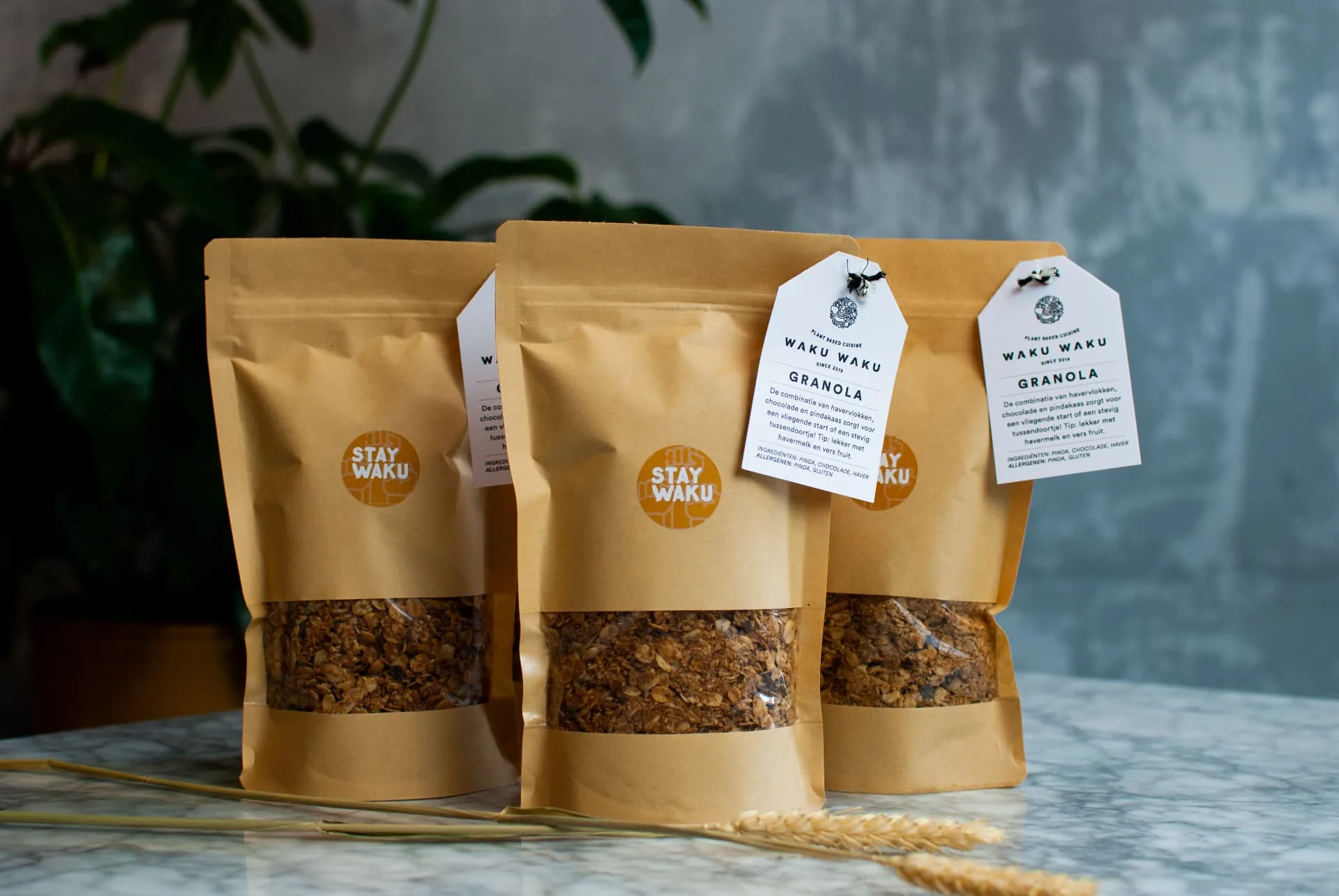
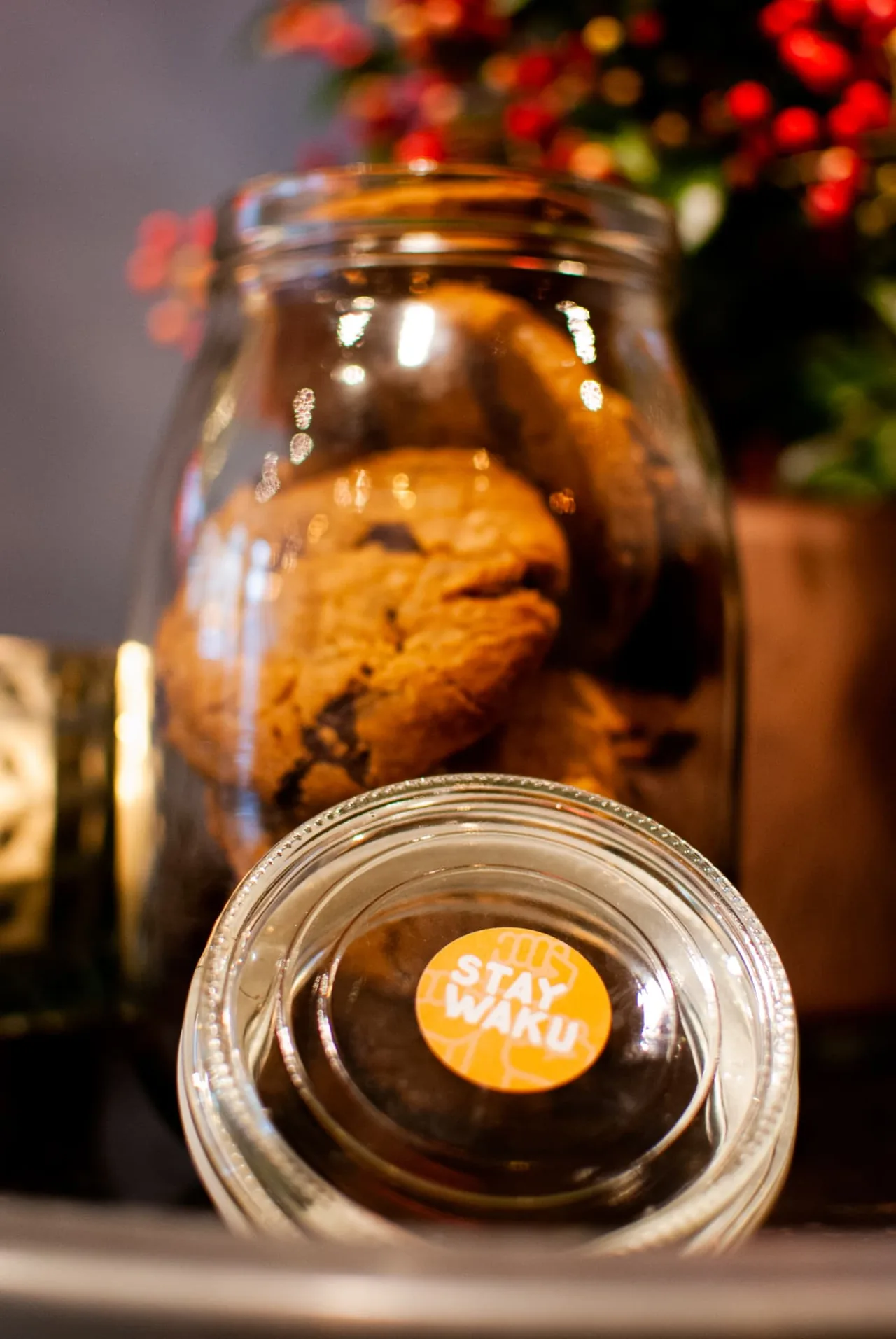
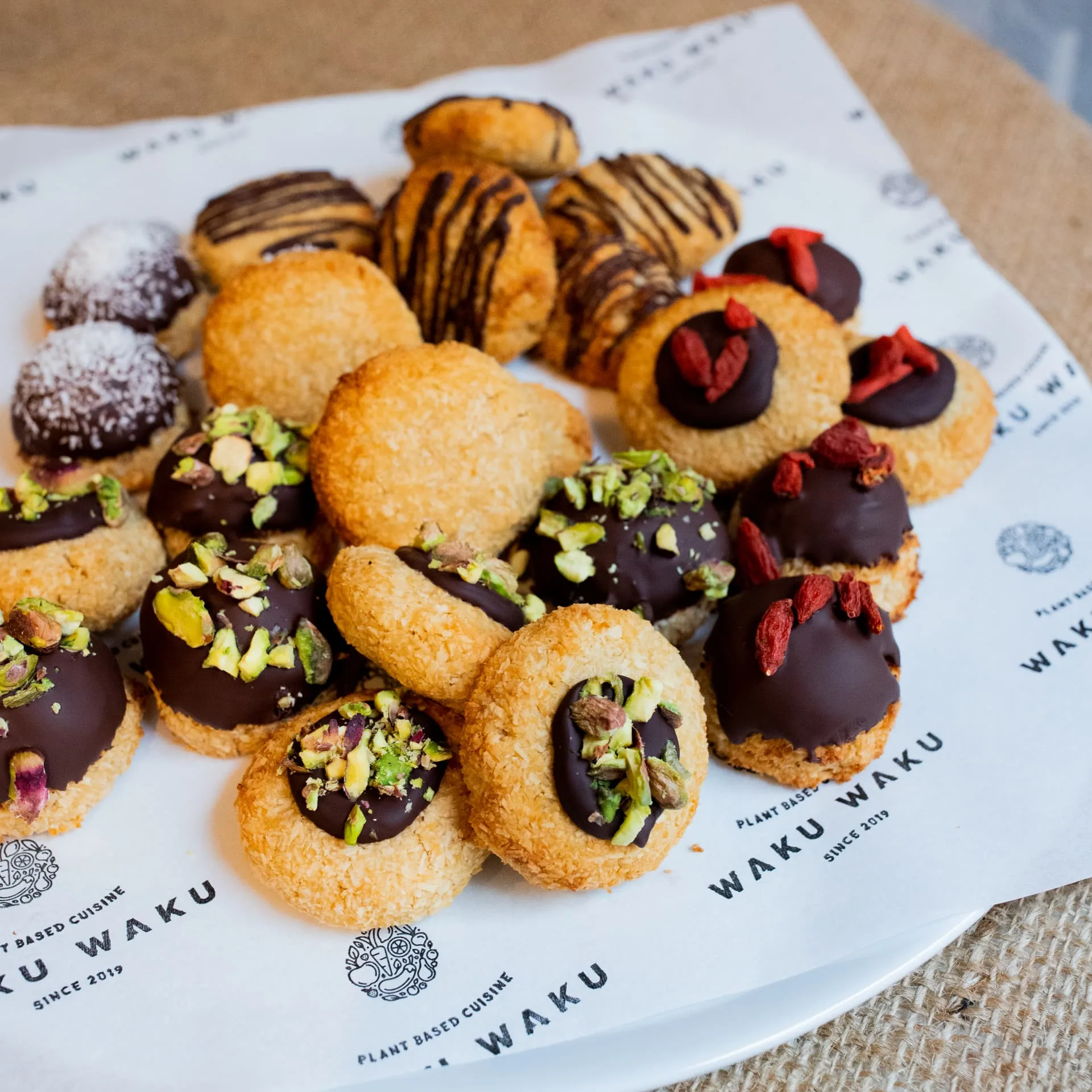
When regular hospitality was restricted again, we temporarily turned WAKU WAKU into a shop. With the WAKU Store we brought our own products directly to customers, including kimchi, sauces, cookies, cakes and other products from our kitchen.
It was the same entrepreneurial question again: if the existing model cannot function, what can we build with the people, means and brand already in place?
What WAKU WAKU taught me
WAKU WAKU was much more than a restaurant to me. It taught me how to build a brand, a community and an organisation of 40 people from a strong sense of purpose.
I learned how important culture is and how much the people around you shape what an organisation can handle and achieve. Above all, WAKU WAKU taught me how to keep building when circumstances change fundamentally: move quickly, develop and launch new concepts, create new revenue streams, stay relevant to customers, and adapt direction without losing the identity of the business.
During the pandemic, leadership took on a new dimension for me. I chose not to implement the Dutch COVID access pass because I struggled with excluding people based on a QR code. I still stand by the values behind that decision. With the experience I have today, however, I would translate those convictions into action differently.
I learned that leadership requires both courage and responsibility. That you need to be willing to stand for something, while continuously considering what your decisions mean for the people and the organisation you are responsible for.
My values have not changed. My leadership has become more thoughtful.
- Vision only gains value when you can translate it into execution.